B2B marketing is about linking larger companies, while B2C marketing is about connecting to the consumer directly. In all of this, one needs a good understanding of the local market. B2B often involves long sales cycles and customized solutions, while B2C focuses on the emotional connection and broad market reach.
To be successful in its niche, a business must adjust its marketing strategy accordingly with a regional feel. With data to back up the marketing decisions, incredibly powerful tool tactics will not only ensure success against competition but also deliver quantifiable results in the long run. For clarification, you can contact us at Infintech Designs.
What is B2B and B2C Marketing
 B2B (business-to-business) and B2C (business-to-consumer) marketing represent two distinctly different strategies that aim to reach, on the one hand, a larger audience and, on the other hand, a much narrower audience. While both target aligning company offerings with consumers, there exists divergence in the breadth, intention, and execution of B2B marketing in the consideration of its counterpart that, fortunately for consumers, does not result in the dilution of benefits.
A good grasp of these basics is important to businesses in Seattle to reach their respective unique markets as effectively as possible.
B2B will, of course, target other businesses, generally in more niche markets. It focuses on establishing a relationship and targeting audiences with much more pertinent information, with data-driven strategies.
B2C is more generalized, putting its focus on the individual consumer. Here, the strategies are directed at emotional connections and brand loyalty.
While hyper-personalization is a game-changer, it can still be viewed as non-scalable across millions of individuals.
Key Similarities Between B2B and B2C
Though B2B (business-to-business) and B2C (business-to-consumer) marketing in Seattle reach completely different target markets, at the end of the day, they are both built on the same key fundamentals.
Understanding Customer
B2B and B2C marketing is about knowing and serving customer needs. Traditionally, when a customer recognizes a need, for example, when a consumer seeks cheap winter gear in Seattle or a local business looks for a reliable IT infrastructure, such a need drives the buying journey.
Quality, price, and brand image affect their purchasing decisions. These common priorities will help marketers devise their strategies-whether targeting individual customers or a corporate team.
Building Trust
Trust is critical for any kind of transaction-whether in B2C or B2B. In B2C, trust usually comes from referrals; B2B has more to do with the long-term relationship, such is it that one Seattle software company showed reliability to its partners. Trust is bred through clarity of communication, continuity of quality, and good brand reputation.
Leveraging Digital Marketing Tools
 Digital platforms are key channels for B2B. B2C to communicate with customers alike. Buyers will first educate themselves extensively about their options and will make purchasing decisions based on their findings. In both examples, digital tools such as SEO, social media, and email marketing are effective.
A mom-and-pop restaurant, for instance, can now advertise on Instagram, while a Seattle high-tech start-up could turn to LinkedIn to catch the eye of some would-be clients. These tools make it much easier for firms to reach out to their audience and drive those extra revenues.
Understanding the Sales Funnel
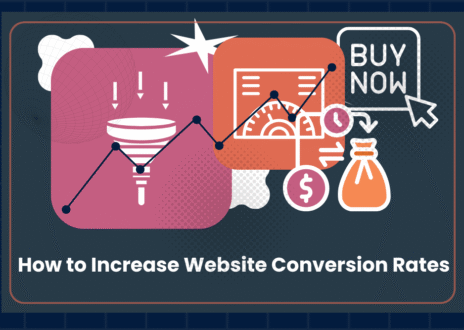
The sales funnel is a fundamental concept in marketing that explains the journey, from the first point of awareness to the final purchase, that buyers go through. It allows businesses to create distinct strategies to push prospects through all stages of the buyer’s journey.
This basic concept has not changed. Though the B2B marketing funnel and B2C marketing funnel may vary, they still depend on distinct consumer behavior and different factors driving consumer decisions.
The Definition of a Sales Funnel
Developed sometime in 1898 by E. St. Elmo Lewis, the sales funnel model portrays the process of consumer buying using a process model very comfortable in today’s time, which is AIDA (Awareness, Interest, Desire, Action).
The sales funnel, also called the marketing funnel or customer journey, starts with awareness once the potential buyers are aware of a certain brand, say, a coffee shop in Seattle, with local ads or social media; while a B2B company could advertise through industry trade shows. Then there comes the consideration stage, where the prospects put options for comparison.
B2B typically involves intensive research and inclusion of colleagues in the evaluation somehow, like a Seattle tech startup evaluating cloud solutions, while B2Calt tries to use reviews to make quicker decisions, like a person shopping for a fitness tracker.
Stages of the B2B Sales Funnel
From the point of potential clients learning of your product to the point of purchase, a B2B sales funnel is a series of stages. It is more complex, defined by a lengthier cycle, sometimes taking up to six months, and often involves multiple decision-makers. Each stage is vital to corroborate high-value and long-term relationships.
Awareness Stage in B2B
 This is when a company and potential clients would first find out about a product or service, which may be via targeted content like industry reports or case studies that address specific pain points.
Interest Stage in B2B
Prospects who explore more interactively by downloading resources or attending webinars. A Seattle digital marketing agency may host educational workshops to showcase expertise while addressing B2B needs without selling too hard.
Consideration Stage in B2B
This is the stage in which buyers conduct serious evaluations, talking among themselves or undertaking competitive audits of options.
Intent Stage in B2B
Prospects clearly show buying intent and request proposals or demos. A local logistics firm might seek trial access to fleet management software to assess its value.
Evaluation Stage in B2B
Here, a detailed comparison is made during which stakeholders will compare features, price, performance, and compatibility. A Seattle hotel chain would look into whether inventory systems can be integrated with existing software during negotiations.
Purchase Stage in B2B
This is the stage that brings closure to the buyer’s journey where contracts are signed and onboarding begins. A Seattle startup may establish rules and timelines to facilitate a smooth transition during IT support acquisition.
B2C Sales Funnel Stages Overview
The B2C sales funnel mirrors the B2B structure but is more straightforward, as individual consumers make their own decisions. The stages of the B2C sales funnel provide a comprehensive framework for understanding the customer journey from initial awareness to final purchase.
Awareness Stage in B2C
Consumers identify a need, triggering immediate and personal awareness. A Seattle coffee shop might run social media ads to highlight its eco-friendly packaging and on-the-go products.
Interest Stage in B2C
Consumers explore potential solutions and interact with content that educates them. A local clothing boutique could use email campaigns and product videos to maintain shopper interest.
Desire Stage in B2C
Interest transforms into a desire for the product, heavily influenced by emotional appeal. For example, Tesla’s product pages emphasize innovative features and sleek designs that resonate with eco-conscious lifestyles.
Action Stage in B2C
Consumers take action to purchase, often facilitated by user-friendly checkout processes and strong calls to action. A Seattle bookstore might offer free shipping to encourage immediate purchases, along with hassle-free returns and loyalty rewards to build consumer trust.
Get Familiar With B2B And B2C By Calling Us Now
Each side faces unique challenges and opportunities. Both succeed thanks to clear strategies, strong data, and a deep understanding of their audience. B2B marketing focuses on trust and relationships, while B2C emphasizes emotion and quick sales. Understanding your target audience and how to reach them effectively is key.
Success comes from providing value, staying adaptable, and using data to inform decisions. Let’s work together to create smart marketing strategies that expand your reach and help your business succeed. Contact us today at Infintech Designs to start crafting a strategy for tangible results.